
There’s something timeless about furniture that clearly shows the hand of a skilled craftsperson. Long before mass production, furniture makers relied on traditional woodworking techniques to create pieces that were both functional and beautiful. Today, these methods continue to be celebrated—not only for their durability, but for the character and visual interest they bring to a room. Whether forming a twist, turn, or carve, time-honored woodworking techniques create visual distinctions that immediately capture attention. From hand-turned legs to carved moldings and fluted columns, these details tell a story of craftsmanship that goes far beyond simple construction.
Twists, Turns, and Carved Details
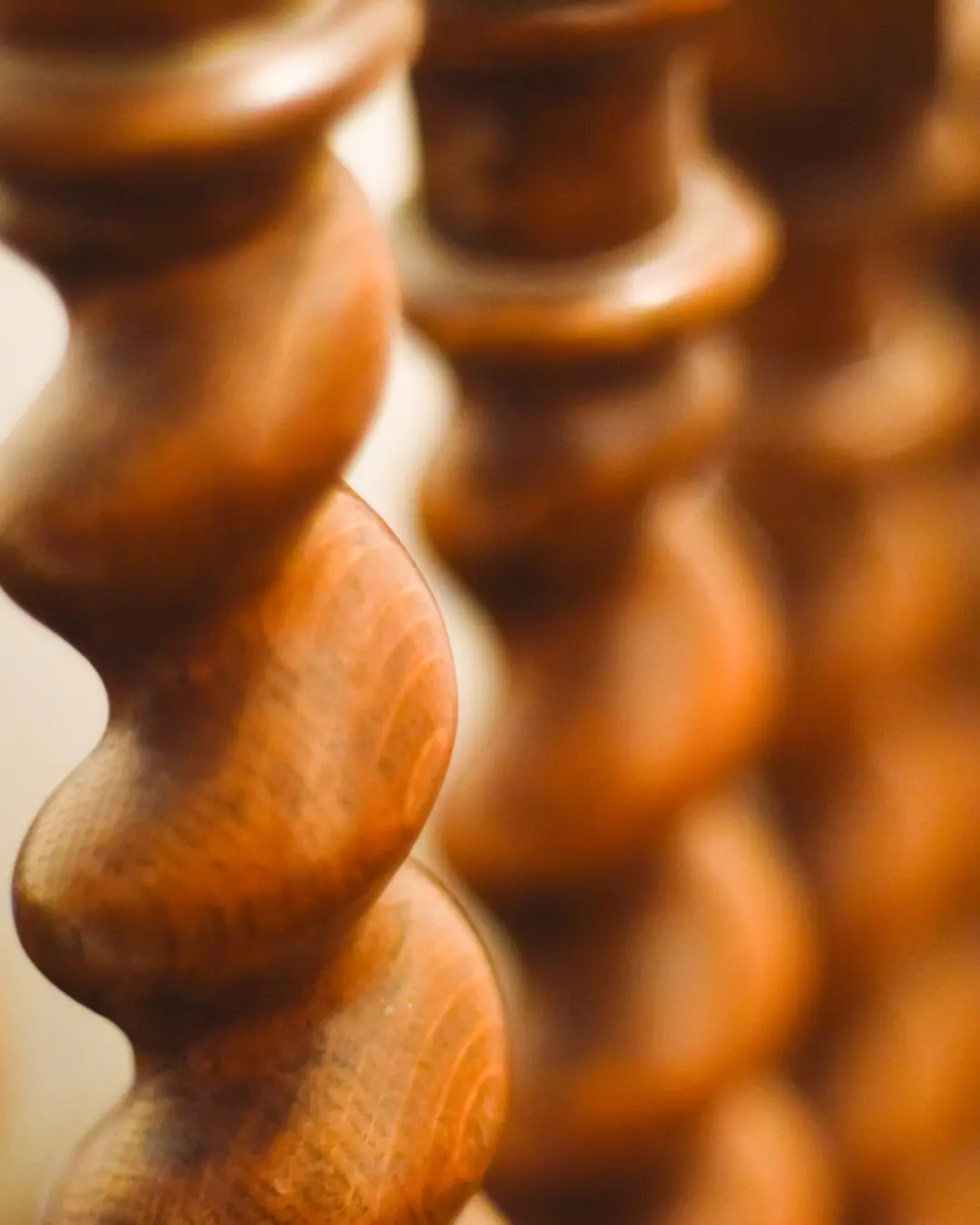
One of the most recognizable decorative elements in classic furniture design is the twist, often referred to as a barley-twist detail. Commonly seen in table legs, island posts, and decorative columns, spiral forms add movement and depth to a piece. The gentle rotation of the wood interacts beautifully with light, giving the furniture a sculptural quality. Similarly, turned wood elements—such as balusters, legs, and decorative posts—showcase the elegance of symmetry and proportion. Created on a lathe, these pieces feature graceful curves that bring rhythm and refinement to cabinetry and furniture. Then there’s hand carving, one of the oldest woodworking traditions. From subtle rope details to leaf motifs and scrollwork, carving transforms functional pieces into heirloom-quality design elements. Even the smallest carved accent can create a sense of artistry and tradition.

Fluted and Reeded Details
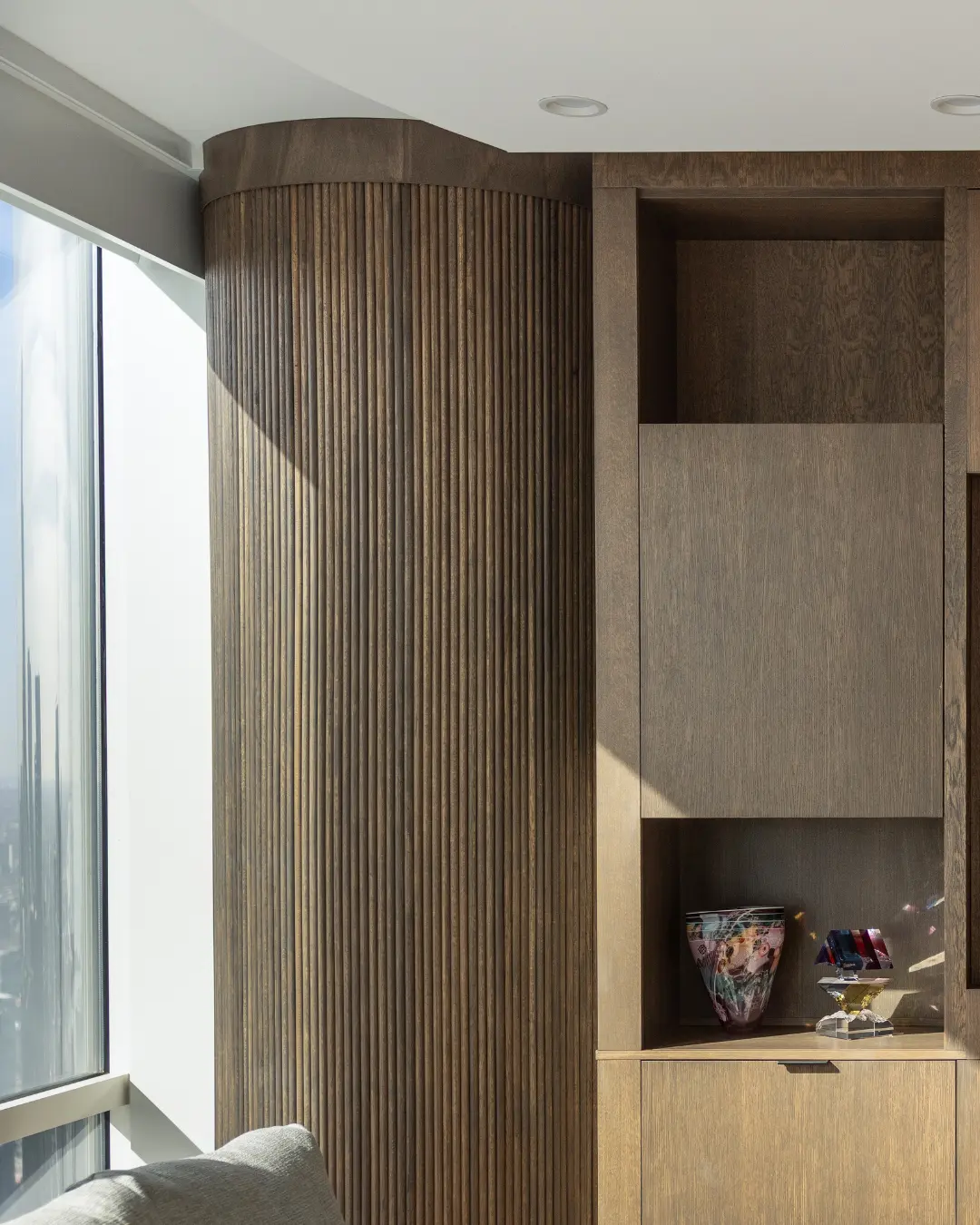
Fluting and reeding are classic architectural woodworking details that add subtle texture and sophistication. Fluted columns feature vertical grooves carved into the wood, creating shadows and dimension that emphasize height and elegance. These are often used on kitchen islands, cabinetry pilasters, or decorative panels to evoke classical architectural influences. Reeded details, which feature rounded vertical ridges, provide a softer alternative while still introducing depth and rhythm. These elements can be incorporated into cabinet doors, furniture legs, or trim pieces to add understated refinement.

Corbels and Decorative Brackets
Another hallmark of traditional woodworking is the use of corbels and carved brackets. These structural elements support shelves, countertops, and cabinetry while doubling as decorative features. A beautifully carved corbel beneath a kitchen island or range hood can instantly create a focal point. Designs range from simple geometric forms to intricate scrolls and leaf carvings, allowing them to complement a variety of traditional and transitional interiors.

Beaded Inset Cabinetry
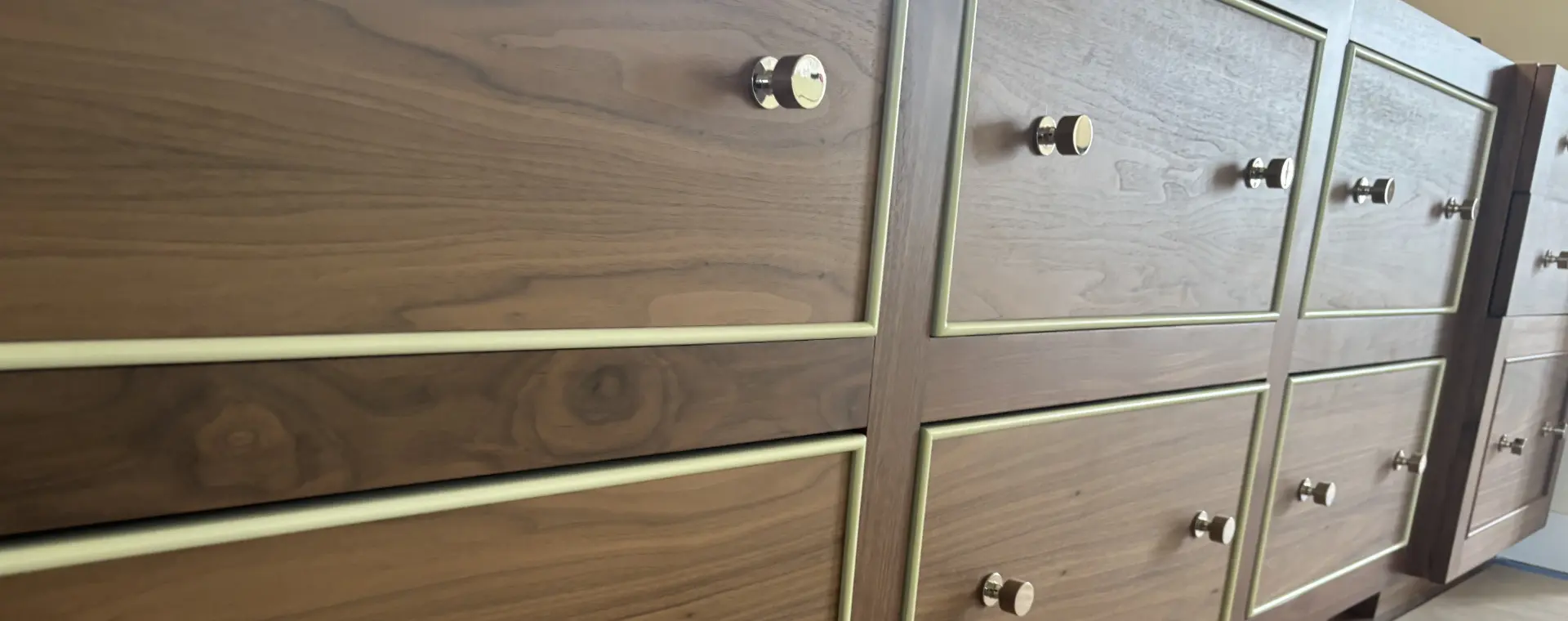
One of the most admired cabinetry techniques is beaded inset construction. In this style, cabinet doors sit flush within the frame, and a delicate bead detail runs along the inside edge of the opening. This small decorative bead adds subtle texture and highlights the precision required to build inset cabinetry. The result is a refined, furniture-like appearance that feels both classic and carefully crafted.
Craftsmanship That Endures
In a world filled with perfectly uniform manufactured products, traditional woodworking details stand out because they feel human. The natural grain of the wood, the careful shaping of a curve, and the subtle variations in carving all contribute to the individuality of the piece. These features remind us that furniture can be more than simply functional—it can also be expressive. By incorporating twists, turns, fluting, carving, and other traditional techniques, designers and craftsmen continue a legacy that blends art, heritage, and enduring craftsmanship.